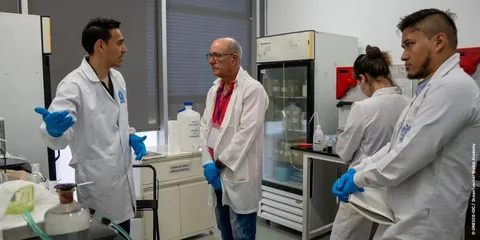
Global ocean research programs are expanding as governments, universities, and scientific organizations increase cooperation on marine studies. Researchers are working together to better understand climate systems, biodiversity, coastal ecosystems, and the long-term impact of human activity on oceans. Experts believe international collaboration is essential because marine environments influence weather patterns, food security, transportation, and economic development across the world.
Modern research vessels, satellite systems, and underwater monitoring technologies are providing scientists with unprecedented access to information. Advanced sensors can collect data from remote regions, helping researchers analyze ocean temperatures, currents, and environmental conditions more accurately than before. These capabilities are improving scientific understanding while supporting evidence-based policymaking.
Several countries have announced new investments in marine science infrastructure. Funding is being directed toward laboratories, research expeditions, and educational programs designed to encourage innovation. Universities are also expanding partnerships that allow students and researchers to participate in international projects.
Environmental sustainability remains a major objective. Scientists continue studying coral reefs, fisheries, and coastal habitats to identify strategies that support conservation while balancing economic activity. Policymakers frequently use research findings to guide environmental planning and resource management decisions.
Industry leaders are also interested in ocean research because shipping, energy, and tourism sectors depend on healthy marine ecosystems. Improved scientific knowledge can help organizations manage risks and identify opportunities for sustainable growth.
Analysts expect global ocean research cooperation to continue expanding throughout the coming decade. Continued investment in technology, education, and international partnerships may improve understanding of marine systems while supporting environmental protection, economic resilience, and scientific discovery.